
Disclosure: As an Amazon Associate, Wattovia earns from qualifying purchases. We research published specifications. We do not run lab tests, and every number below comes from the manufacturer’s own spec sheet.
A portable power station and a gas generator both keep the lights on during an outage. They work nothing alike. One stores electricity in a battery and releases it silently. The other makes electricity on the spot by burning gasoline, loudly. Picking the wrong one means either running out of power at 2 a.m. or maintaining an engine you barely use.
This guide compares the two on the things that decide real purchases: how long each runs, how loud each is, what each can power, and what each demands from you over the years.
Stored energy versus generated energy
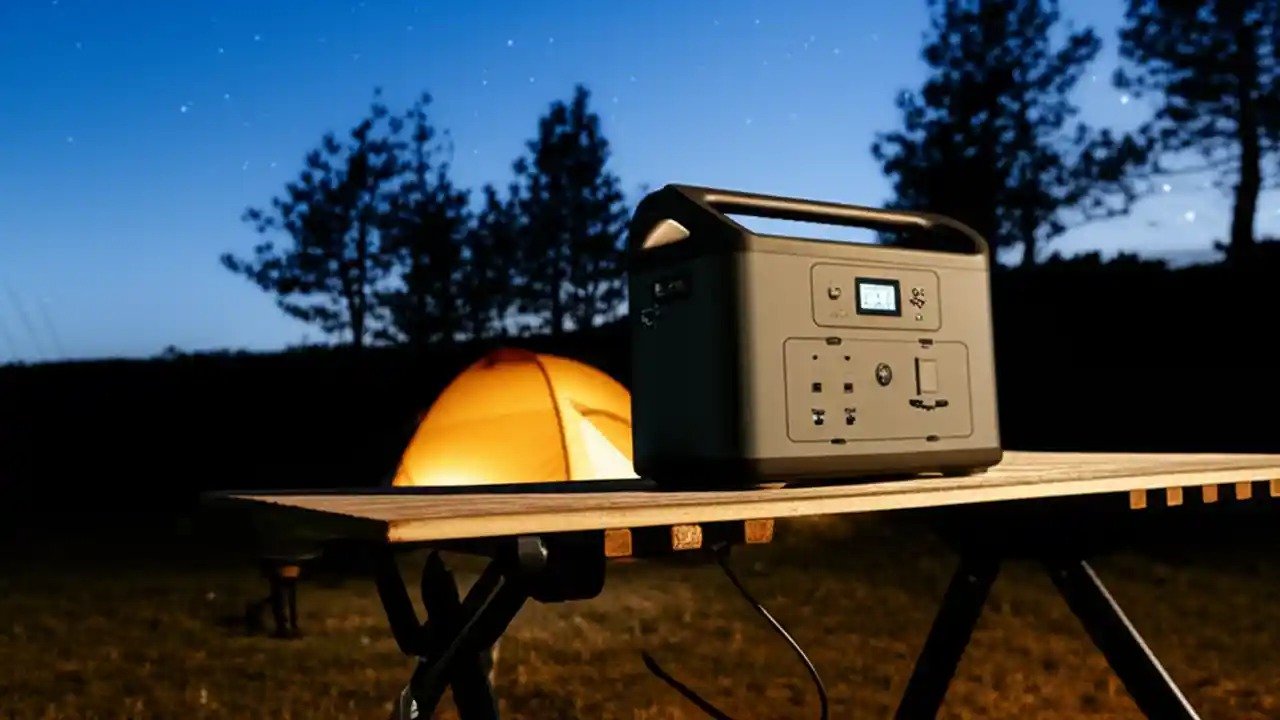
A power station is a big battery with an inverter and outlets built in. The EcoFlow DELTA 2 holds 1,024 watt-hours in a LiFePO4 battery and can output 1,800 watts. The BLUETTI AC180 holds 1,152 watt-hours, also LiFePO4, with the same 1,800-watt output. Charge them from a wall outlet or solar panels, then draw the energy back out when you need it.
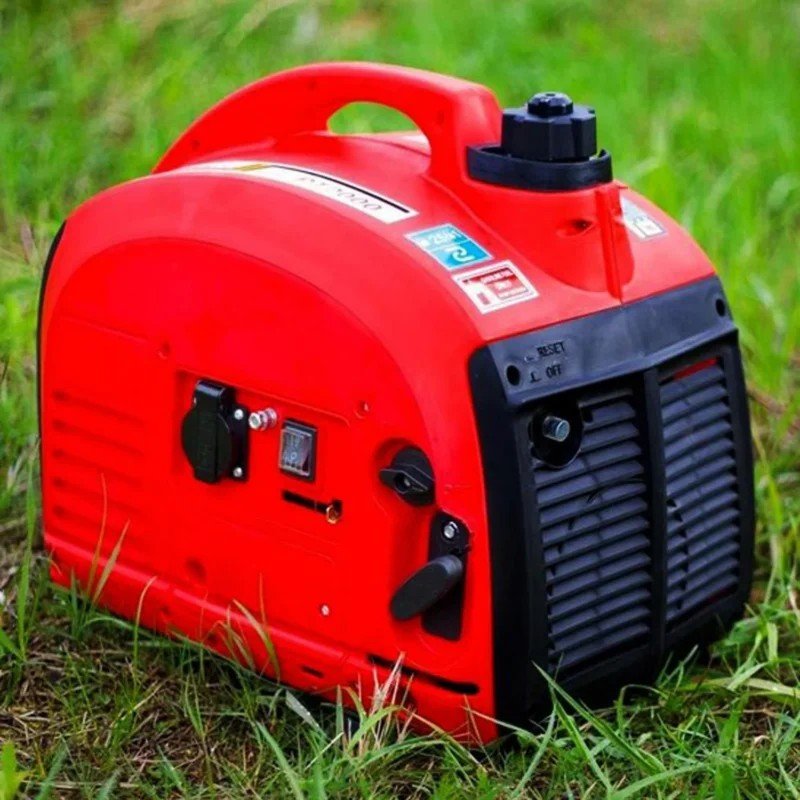
A gas generator makes power by burning fuel. The Honda EU2200i is rated at 1,800 watts continuous and 2,200 watts maximum, from a gasoline engine. It runs as long as the tank has fuel: Honda publishes 3.2 to 8.1 hours on its 0.95-gallon tank, depending on load.
The practical difference: a power station’s runtime is capped by its battery, while a generator’s runtime is capped by how much gasoline you stored. If you need help sizing a station for your gear, our sizing guide walks through the math with real models.
Runtime: a worked comparison
Take a 45-watt compressor fridge, the kind campers run overnight. On a 1,000Wh-class station, the honest estimate is (1,000 x 0.85) / 45, about 19 hours of compressor-on time, which stretches across a full day since the compressor cycles. When the battery is empty, the fridge stops until you recharge, which takes hours from a wall outlet or most of a day from solar.
The EU2200i does not care about battery math. It runs the same fridge for as long as you keep pouring gasoline, roughly a full day per tank at light loads, and refueling takes two minutes. For multi-day outages with no sun and no grid, that refuel-and-go pattern is hard to beat.
Noise: the number everyone underestimates
Honda rates the EU2200i at 48 dBA, which is about conversation level and remarkably quiet for an engine. It is still an engine. At night, in a quiet neighborhood or a campground with quiet hours, 48 dBA of continuous drone wears on people, and many campgrounds restrict generator hours outright.
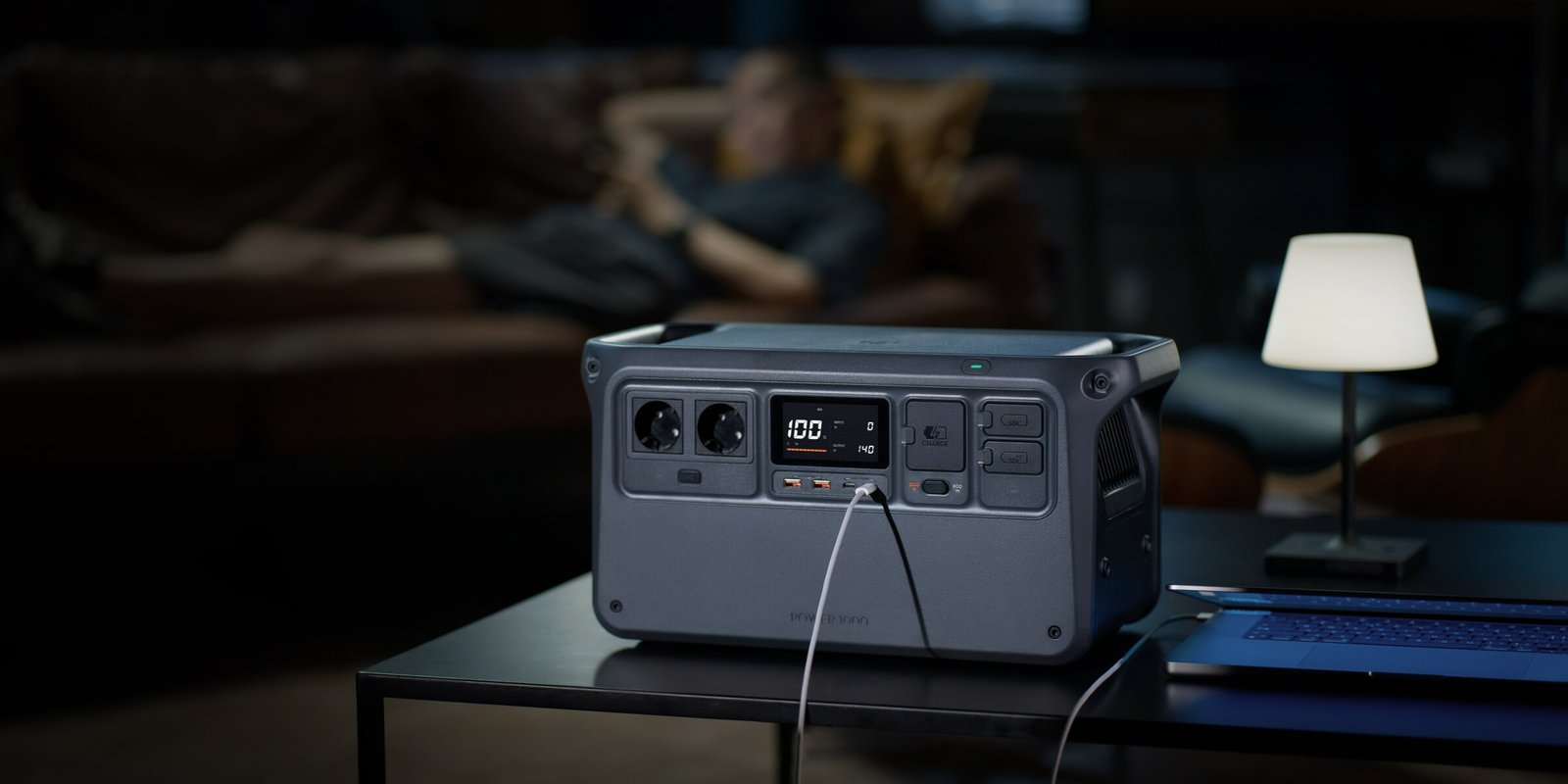
A power station makes no engine noise at all. The only sound is the cooling fan under heavy load, which most people describe as a quiet hum. You can run one inside a tent, inside an apartment, or next to a sleeping baby. That indoor use is the single biggest practical advantage, and it comes with a hard safety rule for the other side: never run a gas generator indoors or in a garage. Carbon monoxide is odorless, and people die every year getting this wrong.
What each one can power
All three examples here sit in the same output class, around 1,800 watts, so the comparison is fair. That runs a full-size fridge, a TV and router, phone chargers, LED lights, and a laptop at the same time. None of them will run central air conditioning or an electric dryer.
The difference shows up in surge and duration. A generator handles motor startup surges for as long as it has fuel. A station handles the same surges, but every surge-heavy minute drains the battery faster. If your outage plan centers on a well pump or a power tool, check the surge rating and do the watt-hour math before you buy.
Upkeep and lifespan
A generator is a small engine, and it wants engine care: fresh fuel or stabilizer, oil changes, air filter checks, and a test run every few months so the carburetor does not gum up. Skip the maintenance and it will fail to start exactly when the storm hits.
A power station wants almost nothing. Keep it charged to around 50 to 80 percent in storage, top it up every few months, and the battery chemistry does the rest. Both the DELTA 2 and the AC180 use LiFePO4 cells, which handle thousands of charge cycles. We explain why that chemistry matters for longevity in our battery chemistry guide.
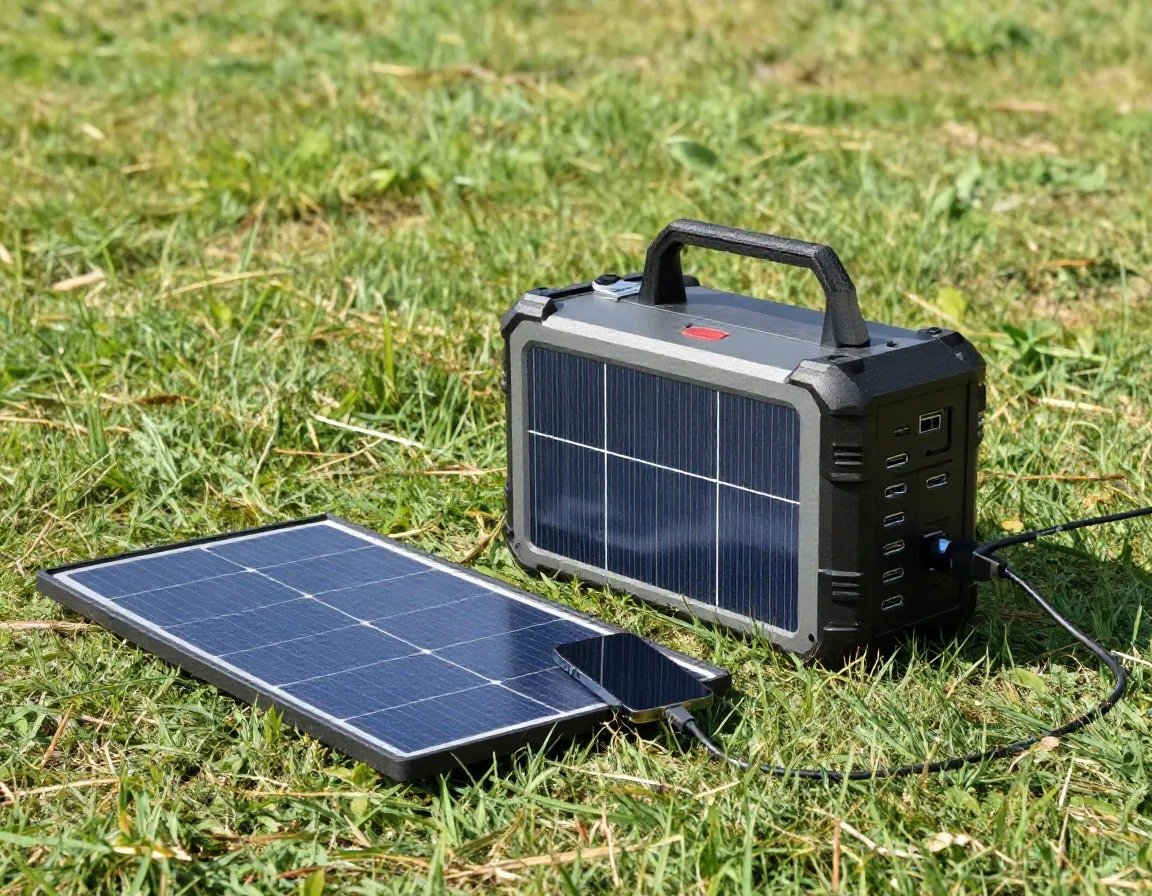
Solar changes the fuel equation. A station paired with panels recharges for free whenever the sun is out. Our solar pairing guide covers how much panel wattage each station class can actually use. A generator’s fuel always costs money and a trip to the gas station, which is exactly what you cannot do easily during a widespread outage.
Side by side on published specs
| EcoFlow DELTA 2 | BLUETTI AC180 | Honda EU2200i | |
|---|---|---|---|
| Energy / fuel | 1,024Wh LiFePO4 battery | 1,152Wh LiFePO4 battery | 0.95-gallon gasoline tank |
| Continuous output | 1,800W | 1,800W | 1,800W rated |
| Noise | Fan hum under load | Fan hum under load | 48 dBA (published) |
| Runtime, 45W fridge | ~19 hours, then recharge | ~21 hours, then recharge | ~a day per tank, refuel in minutes |
| Indoor use | Yes | Yes | No, carbon monoxide risk |
| Upkeep | Top up charge periodically | Top up charge periodically | Fuel, oil, test runs |
Which one fits your life
Get the power station if your outages are short, you live in an apartment, you camp where generators are restricted, or you want backup with no maintenance. It is the set-and-forget option.
Get the generator if you need days of continuous power, you run surge-heavy equipment, or you already maintain small engines without thinking about it. It is the workhorse option.
Many households end up with both: a station for the quiet overnight hours and a generator for daytime heavy loads. That combination covers the weaknesses of each, though it obviously costs more than either alone.
1 thought on “Power Station vs Gas Generator: Which Backup Do You Need?”